
Tinnitus and Ginkgo Biloba: Evidence, Dose Claims and Safety
Ginkgo is not a proven tinnitus treatment. Learn what trials found, why extract and dose claims fall short, and which interactions need a safety check.
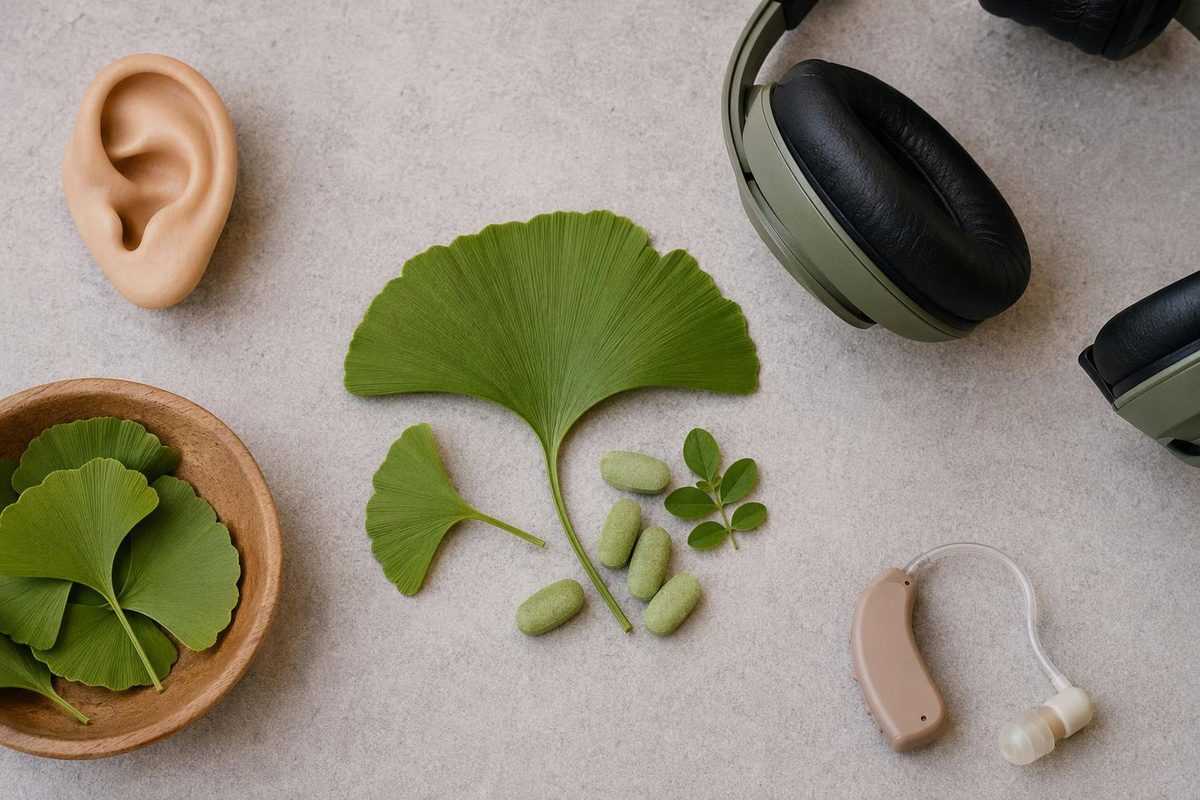
Ginkgo biloba has not demonstrated a reliable benefit for tinnitus, and there is no established effective dose for treating ear ringing. The 2024 VA/DoD tinnitus guideline suggests against using it for tinnitus management. For someone deciding whether to buy a bottle, the evidence does not support starting ginkgo as a tinnitus treatment. VA/DoD guideline, recommendation 24
That is not the same as proving that no individual could ever feel better while taking it. The important question is whether ginkgo produces dependable improvement beyond a placebo—and whether that potential benefit justifies its risks and cost.
What the tinnitus trials actually found
A 2022 Cochrane review included 12 randomized trials involving 1,915 participants, with evidence searched through June 2022. Eleven trials compared ginkgo with placebo; one compared ginkgo plus hearing aids with hearing aids alone. Despite that overall participant count, only two trials, totaling 85 people, supplied comparable data for the main analysis of tinnitus severity. Cochrane review
Those two trials used the Tinnitus Handicap Inventory, a questionnaire measuring tinnitus’s impact on daily life on a 0–100 scale. At three to six months, the average difference was just 1.35 points in favor of ginkgo. The uncertainty range included both benefit and worsening, so the result did not establish an advantage over placebo. Evidence for tinnitus loudness and quality of life also failed to demonstrate a clear benefit. Confidence in these findings was low or very low because of small studies, reporting problems and differences in how outcomes were measured. Review results and limitations
Some positive ginkgo claims come from studies of people with dementia who also reported tinnitus. The VA/DoD guideline notes problems with those studies, including nonstandard tinnitus measurements and uncertainty about the reliability of ratings in people with dementia. Those findings do not establish that ginkgo works for the broader population seeking help for persistent ringing. Guideline discussion, pages 76–79
Do standardized extracts or higher doses change the answer?
Ginkgo leaf extract is promoted partly because of proposed effects on blood flow and oxidative stress—cell damage associated with reactive molecules. These are reasons to investigate a treatment, not proof that it relieves tinnitus in people.
Research has used standardized extracts, including EGb 761, with specified amounts of certain plant compounds. A retail product labeled “ginkgo biloba” is not automatically interchangeable with a study extract. Even standardized preparations can differ in how they are manufactured. Cochrane review: intervention and proposed mechanisms
Neither a “standardized” label nor a larger milligram number resolves the lack of demonstrated benefit. The studies used different doses and treatment durations without establishing a dependable tinnitus regimen. There is therefore no evidence-based dose or waiting period to recommend for self-treatment. Cochrane review
In the United States, dietary supplements do not receive FDA approval before sale; availability is not proof of effectiveness. NCCIH ginkgo guidance
Safety matters even when benefit is uncertain
Ginkgo leaf extract is generally well tolerated by many adults, but it can cause headache, dizziness and gastrointestinal symptoms. More importantly, it can interact with medicines. NCCIH safety guidance
Before using it, have a pharmacist or prescriber review your medication list. Particular cautions include:
- Blood-thinning medicines. Ginkgo may increase bleeding risk with anticoagulants such as warfarin or with antiplatelet medicines. Ibuprofen is another potential bleeding-risk interaction.
- A bleeding disorder or an upcoming operation. Avoid ginkgo if you have a bleeding disorder. If you already take it and have surgery planned, tell the surgical team and ask when to stop it.
- Epilepsy or a history of seizures. Large amounts may raise seizure risk, and ginkgo may interfere with seizure medicines.
- Pregnancy or breastfeeding. Avoid ginkgo during pregnancy because it may be unsafe. Safety during breastfeeding is not well understood; consult your clinician before using it.
These cautions are described by NCCIH and Mayo Clinic. Do not stop prescribed medicines to make room for a supplement.
The tinnitus trials reported no bleeding or seizures in the four studies that assessed serious harms. However, they did not evaluate potentially harmful interactions with other drugs. That limits how reassuring their safety results can be for someone taking several medicines. Cochrane safety findings
If you already take ginkgo
Bring the bottle or a photograph of its full ingredient label to your pharmacist or clinician. Note when you started it, your daily amount, any side effects, and whether sleep or daily functioning has meaningfully changed. Feeling better after starting ginkgo alone does not establish that ginkgo caused the improvement.
If tinnitus is affecting daily life, arrange an ear examination and hearing assessment rather than relying on a supplement. Hearing aids may help when hearing loss is present; tinnitus-focused cognitive behavioral therapy can help reduce distress without promising to eliminate the sound. These are recognized management options in NIDCD guidance.
Do not wait through a supplement trial if ringing comes with sudden hearing loss. Seek medical care immediately: sudden hearing loss is a medical emergency. Heartbeat-matched tinnitus also warrants medical assessment rather than treatment with ginkgo. NIDCD sudden hearing loss guidance; tinnitus evaluation guidance