
Constant Tinnitus in the Left Ear: What to Do Next
Persistent left-ear ringing warrants an ear exam and hearing test. Learn when care is urgent, why MRI may be discussed, and what can help.
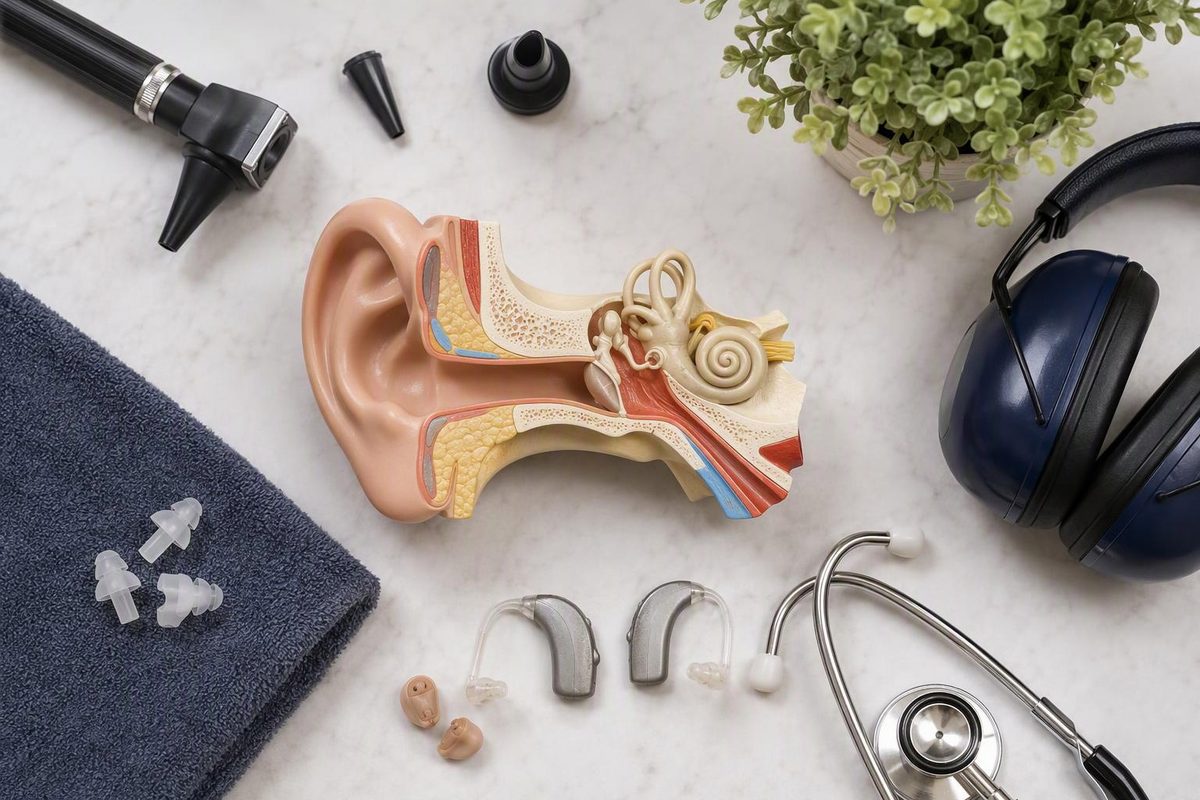
Constant ringing in your left ear is a reason to arrange an ear examination and a hearing test, even if you think your hearing is normal. One-sided tinnitus—called unilateral tinnitus—needs assessment for hearing differences and treatable ear problems. It does not, by itself, identify the cause or mean something dangerous is present. Updated U.S. specialist guidance recommends comprehensive hearing evaluation for patients with tinnitus.
“Constant” describes how often you hear it, not how long you have had it. Ringing that began yesterday and never stops is different from ringing present for years. You do not need to wait until it qualifies as chronic tinnitus to seek care.
When to get urgent help
- Seek same-day medical assessment if the ringing comes with a sudden drop in hearing, including new muffling noticed on waking or hearing that worsened over a few days. Sudden inner-ear hearing loss can feel like a blocked ear and may include fullness or dizziness. Do not assume it is wax or congestion; delaying treatment can reduce its effectiveness. NIDCD considers sudden hearing loss a medical emergency.
- Seek emergency care for new facial weakness, other sudden neurological symptoms, or new uncontrolled vertigo—a spinning sensation. These combinations warrant immediate referral.
- Tell the clinician if the sound follows your heartbeat, rather than being a steady tone or hiss. That is pulsatile tinnitus and needs a different assessment. See our guide to pulsatile tinnitus causes.
Without those warning signs, constant left-ear ringing usually calls for a prompt scheduled assessment, not an emergency visit. When booking, explain that the ringing is continuous and affects only the left ear, and mention any hearing changes. NICE guidance identifies persistent unilateral tinnitus as a reason to consider referral.
What could keep one ear ringing?
Tinnitus is commonly associated with hearing loss, including changes related to loud noise or aging. Other possible contributors include impacted earwax, an ear infection, certain medications, head or neck injury, and jaw-joint problems. Sometimes no specific cause is found. NIDCD describes these associations.
The left-sided location and continuous sound cannot distinguish among them. Helpful clues include whether it began after noise exposure, whether hearing changed, and whether you also have pain, drainage, balance problems or jaw symptoms. Bring a medication list, including nonprescription pain relievers; ask about possible effects rather than stopping prescribed medicine yourself.
A less common consideration is a vestibular schwannoma, a benign growth on the nerve connecting the inner ear with the brain. It is one reason clinicians investigate persistent one-sided symptoms, but it is not the default explanation: tinnitus is only rarely associated with a serious medical problem. NIDCD overview
What the assessment should cover
Start with your primary care clinician or an ENT—an ear, nose and throat specialist—and arrange audiology testing. The evaluation typically includes:
- An ear examination for wax, infection or fluid.
- A hearing test of both ears to identify hearing loss and any difference between sides.
- A symptom history: when the ringing started, whether it truly never stops, heartbeat timing, noise exposure, medications, and effects on sleep or concentration.
If middle-ear pressure or fluid is suspected, a test called tympanometry, which checks how the eardrum responds to pressure changes, may help. NIDCD explains the clinical evaluation, and NICE recommends hearing assessment and selective tympanometry.
What if the hearing test is normal?
A normal hearing test does not automatically end the investigation of persistent unilateral tinnitus. An ENT may discuss MRI of the internal auditory canals, the passages carrying the hearing and balance nerves. U.S. guidance identifies tinnitus localized to one ear as an exception to its advice against routine imaging. UK NICE guidance specifically advises considering MRI even when one-sided, non-heartbeat tinnitus has no other associated findings. That does not mean every person needs a scan: the decision depends on your symptoms, examination and test results—not simply on how loud the ringing is. U.S. guideline summary · NICE guidance
If the ringing continues after evaluation
Treating an identified problem, such as wax blockage, may reduce or eliminate tinnitus. If no reversible cause is found, care can still make a persistent sound less intrusive; continuous ringing does not establish that it will remain equally bothersome forever. NIDCD notes that tinnitus can improve over time.
Gentle background sound—a fan or quiet rain audio—may help in a silent bedroom. Hearing aids can help when hearing loss is present. For ringing that disrupts sleep, mood or daily activities, ask about tinnitus-focused cognitive behavioral therapy, which aims to reduce distress rather than promise silence. NIDCD treatment overview
Our guide to CBT for tinnitus explains that approach. Before leaving the appointment, ask what follow-up is planned if the left-ear ringing persists, and mention sleep or concentration problems now rather than waiting for the sound to disappear.