
Sensorineural Hearing Loss Versus Conductive Hearing Loss
Learn how sensorineural and conductive hearing loss differ, which tests separate them, and why sudden hearing changes need same-day medical care.
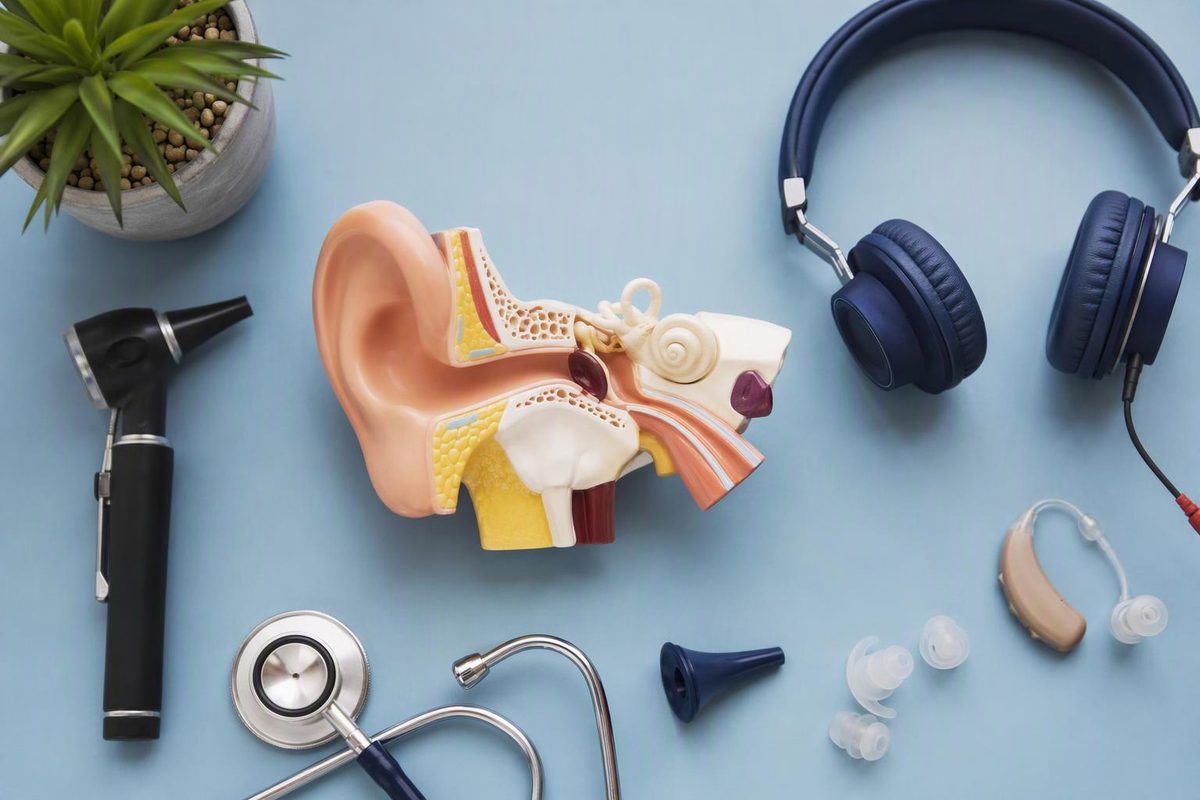
The main difference is where the hearing problem occurs. Conductive hearing loss affects sound transmission through the outer or middle ear. Sensorineural hearing loss affects the inner ear or hearing nerve. You can also have both in the same ear, called mixed hearing loss. These labels describe the type of problem—not how severe it is. ASHA’s adult hearing-loss guidance explains these distinctions.
The difference matters because a conductive problem may improve when its cause is treated, while established sensorineural loss is usually permanent and may benefit from hearing support. Symptoms alone cannot reliably tell you which type you have.
Sudden hearing changes come first
Seek medical assessment today if hearing drops suddenly, all at once or over a few days—especially in one ear or when you wake up. Sudden sensorineural hearing loss can feel like a blocked ear and may include fullness, ringing or dizziness. Do not wait for presumed wax or congestion to clear: the National Institute on Deafness and Other Communication Disorders (NIDCD) considers sudden deafness a medical emergency, and delayed treatment can reduce its effectiveness.
Our guide to sudden sensorineural hearing loss explains the care pathway in more detail.
The differences at a glance
| Question | Conductive hearing loss | Sensorineural hearing loss |
|---|---|---|
| Where is the problem? | Ear canal, eardrum or middle-ear structures | Inner ear, including the cochlea, or hearing nerve |
| What is going wrong? | Sound is not conducted efficiently to the inner ear | The sensory or nerve system is not processing sound normally |
| Common causes | Blocking earwax, middle-ear fluid, infection, a perforated eardrum or stiff middle-ear bones | Aging, loud-noise exposure, inherited conditions, certain illnesses or hearing-toxic medicines |
| Can it improve? | Often improves with cause-specific care, but can be permanent | Usually permanent, although some sudden or specific causes may respond to medical treatment |
| Can hearing devices help? | Yes, when appropriate; treatment of the ear problem may come first | Often; device choice depends on hearing-test results and communication needs |
The causes are described in ASHA’s guidance. Treatment and outlook are covered by Cleveland Clinic for conductive loss, ASHA’s overview of hearing-loss types and NIDCD’s sudden hearing-loss guidance.
Neither type is automatically “worse.” Severity, whether one or both ears are affected, and how well you understand speech all matter.
How hearing tests tell them apart
An evaluation starts with your history and an otoscopic exam: looking into the ear canal and at the eardrum. This can reveal wax, drainage or visible damage, but it does not replace hearing testing.
The key comparison is between two ways of delivering test sounds:
- Air conduction: Earphones send tones through the ear canal, eardrum and middle ear to the inner ear.
- Bone conduction: A small vibrator placed behind the ear or on the forehead stimulates the inner ear through the skull, bypassing the outer and middle ear.
The audiologist plots the softest sounds you hear on an audiogram, a graph of hearing sensitivity at different pitches. When air-conduction hearing is significantly poorer than bone-conduction hearing, the difference is called an air–bone gap and indicates a conductive component. With sensorineural loss, both routes typically show poorer hearing—higher thresholds—without a significant gap. Mixed loss combines poorer bone-conduction hearing with a conductive gap. ASHA describes these testing routes, and the American Academy of Family Physicians explains why bone-conduction testing is needed to distinguish the types.
Tympanometry checks eardrum and middle-ear function. Speech testing measures how well you hear and recognize spoken words; speech-in-noise testing can explore difficulties that a quiet-room test does not capture. These results are interpreted together with your history, not as isolated pass-or-fail answers. ASHA’s assessment guidance describes these parts of an evaluation.
What the diagnosis changes about treatment
For conductive loss, the next step is identifying the cause. Blocking wax may need removal; infection may need medication; structural problems may require an ear, nose and throat specialist’s assessment and sometimes surgery. Some conditions are monitored rather than treated immediately. Hearing aids may help when loss persists or corrective treatment is not suitable. The plan depends on the ear findings—not simply the word “conductive.” Cleveland Clinic outlines these options.
For established sensorineural loss, hearing aids can improve access to speech and other sounds, but they do not restore normal hearing or repair damaged sensory cells. Their benefit depends partly on the remaining inner-ear function. More significant or complicated loss may need specialist device assessment. NIDCD’s hearing-aid guidance explains these benefits and limits. If aids are recommended, see our guide to choosing hearing aids for sensorineural loss.
For mixed loss, care addresses both components. Treating the conductive problem may improve hearing without eliminating the underlying sensorineural loss.
At your appointment, ask: Which type is present in each ear? Is any part treatable? What do my speech-test results show? Request a copy of the audiogram and a clear follow-up plan before deciding which hearing device, if any, to buy.